Why Most Traders Break Rules Under Pressure
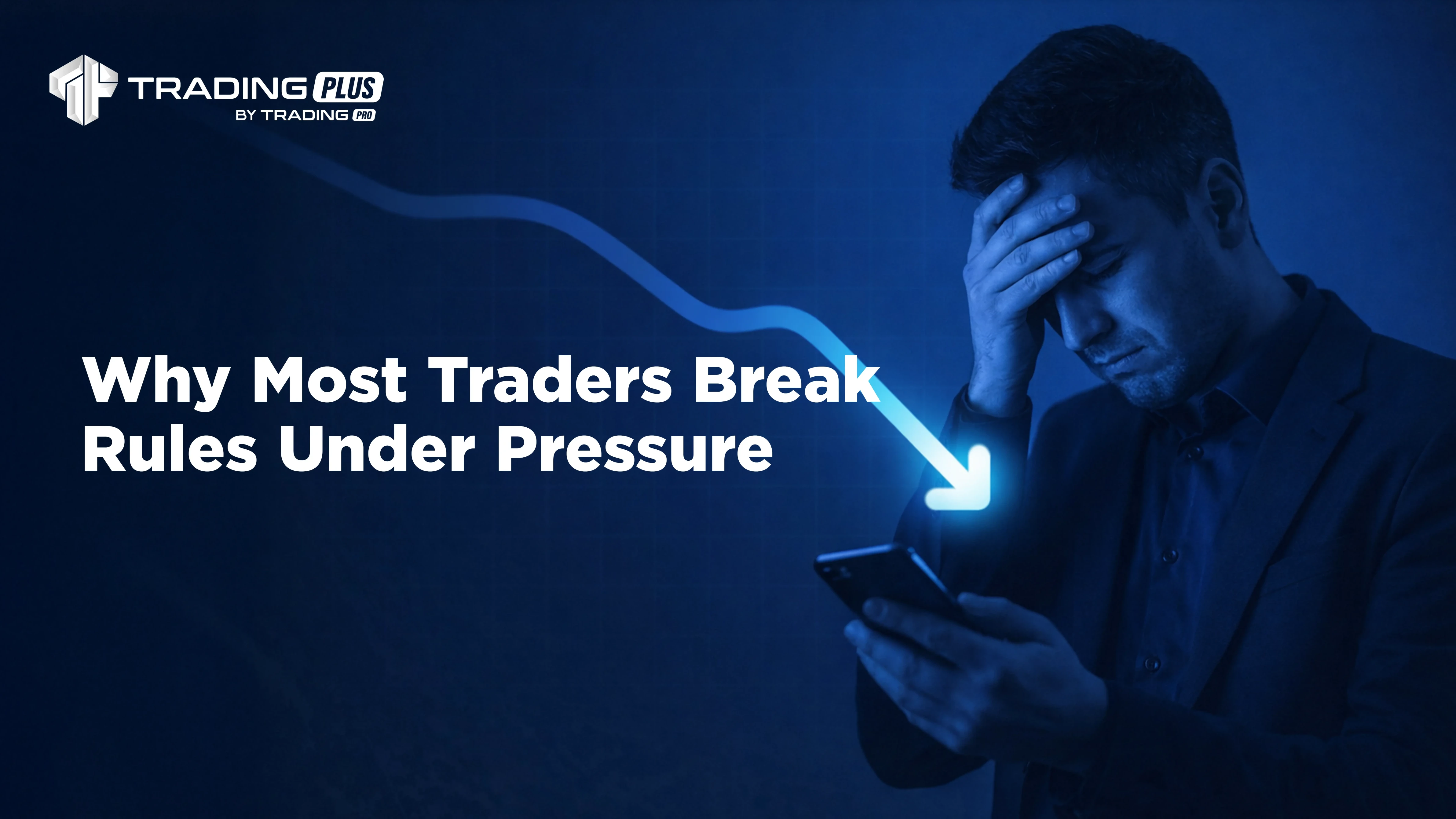
Most traders don’t start the day planning to break their rules.
They do it under pressure.
Pressure changes how people think, react, and decide and trading is one of the most pressure-intense environments imaginable. Understanding why traders break rules is the first step toward preventing it.
Pressure Changes Decision-Making
Under pressure, the brain shifts into survival mode.
Instead of logic and planning, decisions are driven by:
- Fear of loss
- Desire to recover quickly
- Urgency to act
- Emotional discomfort
In trading, this often leads to impulsive behavior that contradicts carefully written plans.
The Most Common Sources of Trading Pressure
Pressure doesn’t come from the market alone. It often builds internally.
Traders feel pressure when:
- They experience a losing streak
- They are close to daily or drawdown limits
- They are near a profit target
- They feel they “should” be performing better
These moments create emotional tension that makes rule-breaking feel justified.
Why Rules Feel Optional in the Moment
Rules are created in calm conditions.
They are broken into emotional ones.
When pressure builds, traders start rationalizing:
- “This setup is too good to skip.”
- “One more trade won’t hurt.”
- “I’ll reduce the size next time.”
In the moment, breaking the rule feels like problem-solving, not discipline failure.
Loss Aversion and the Need to Fix Things
Humans are wired to avoid losses more strongly than they seek gains.
In trading, this creates a powerful urge to:
- Win back losses immediately
- Avoid ending the day red
- Restore emotional balance
Unfortunately, these behaviors often increase losses and deepen drawdowns.
Why Confidence Can Be Just as Dangerous
Pressure doesn’t only come from losses.
After a series of wins, traders often feel pressure to maintain momentum. This can lead to:
- Larger position sizes
- Ignoring risk limits
- Overconfidence in setups
Rule-breaking driven by confidence fails just as often as rule-breaking driven by fear.
The Role of Ego in Rule-Breaking
Ego plays a bigger role than most traders admit.
Rule-breaking often comes from:
- Wanting to prove skill
- Not wanting to accept a loss
- Comparing results to others
When identity becomes tied to performance, rules start to feel like obstacles instead of protection.
The Role of Ego in Rule-Breaking
Ego plays a bigger role than most traders admit.
Rule-breaking often comes from:
- Wanting to prove skill
- Not wanting to accept a loss
- Comparing results to others
When identity becomes tied to performance, rules start to feel like obstacles instead of protection.
Why Rule-Breaking Is So Costly in Prop Trading
In prop trading, rules aren’t flexible.
Breaking them doesn’t just hurt performance — it ends accounts.
Most failed evaluations and lost funded accounts are the result of one emotional decision made under pressure, not a bad strategy.
How to Reduce Rule-Breaking Under Pressure
Rule-breaking decreases when traders:
- Trade less frequently
- Keep risk small
- Define clear stop points for the day
- Detach self-worth from outcomes
Structure reduces pressure. Pressure reduction improves discipline.
Final Thoughts
Rules aren’t broken because traders are careless.
They’re broken because pressure changes behavior.
Traders who succeed long term aren’t those who never feel pressure — they’re the ones who recognize it early and adjust before it leads to mistakes.
In trading, discipline is not about perfection.
It’s about control when it matters most.
Trade With Discipline at TradingPLUS
If you want an environment that rewards discipline over impulse:
Register with TradingPLUS and trade with clear rules and professional standards.
Follow TradingPLUS on Social Media for trading psychology insights, discipline strategies, and market education.
Instagram | Facebook | LinkedIn | Telegram