Gold vs US Dollar: Understanding the Inverse Relationship
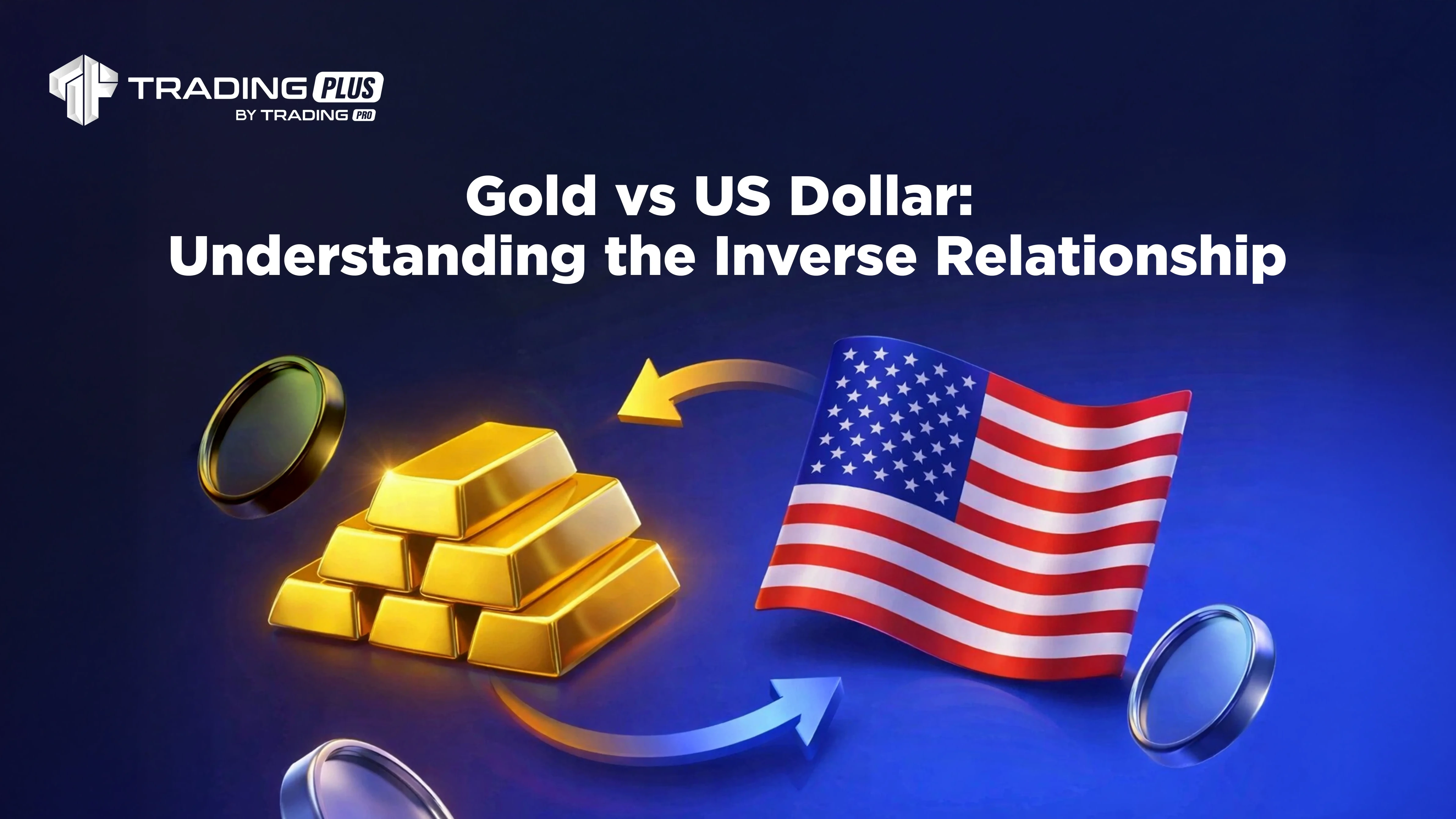
Gold and the US Dollar are two of the most closely watched assets in global markets. For decades, traders have observed a recurring pattern: when the US Dollar weakens, gold tends to rise and when the dollar strengthens, gold often falls.
This inverse relationship is not a rule, but it is one of the most reliable macro relationships in trading. Understanding why it exists helps traders interpret market sentiment, manage risk, and anticipate broader shifts in global capital flows.
Why Gold and the US Dollar Are Closely Linked
Gold is priced globally in US Dollars. This simple fact creates a natural connection between the two.
When the dollar weakens, gold becomes cheaper for non-US buyers, increasing global demand. When the dollar strengthens, gold becomes more expensive internationally, often reducing demand.
But price mechanics are only part of the story. The deeper relationship is rooted in trust, stability, and risk perception.
Gold as an Alternative to the US Dollar
The US Dollar functions as the world’s primary reserve currency. Gold, on the other hand, acts as a neutral store of value, independent of any government or central bank.
When confidence in the dollar declines due to inflation concerns, political uncertainty, or monetary policy instability investors often seek alternatives. Gold becomes attractive because it:
- Cannot be printed
- Carries no credit risk
- Holds value during currency debasement
As demand for gold rises, the dollar often weakens further, reinforcing the inverse relationship.
How Interest Rates Influence the Relationship
Interest rates play a critical role in the gold-dollar dynamic.
The US Dollar benefits from higher interest rates because yield-seeking capital flows into dollar-denominated assets. Gold, which does not generate yield, tends to struggle in high-rate environments.
When interest rates fall, or when real yields decline due to inflation, the advantage shifts. The opportunity cost of holding gold decreases, making it more attractive relative to the dollar.
This is why gold often performs well during periods of monetary easing or policy uncertainty.
Risk Sentiment and Safe-Haven Flows
Both gold and the US Dollar are considered safe-haven assets, but they are favored in different types of stress environments.
The dollar tends to benefit during liquidity crises and global funding stress. Gold tends to outperform during periods of:
- Currency debasement fears
- Political instability
- Long-term inflation concerns
In many cases, capital flows out of the dollar and into gold as investors hedge against systemic risk rather than short-term volatility.
Why Gold and the Dollar Can Rise Together
Although the inverse relationship is common, it is not absolute.
There are periods when both gold and the US Dollar rise at the same time. This usually occurs during extreme uncertainty, when investors seek safety across multiple asset classes.
In these moments, gold’s strength reflects fear of systemic risk, while dollar strength reflects demand for liquidity. Understanding this distinction prevents traders from relying on oversimplified correlations.
What This Relationship Means for Traders
For traders, the gold-dollar relationship acts as a macro signal, not a standalone trading strategy.
A weakening dollar combined with rising gold often suggests:
- Risk aversion
- Falling real yields
- Reduced confidence in fiat currencies
A strong dollar and falling gold may signal:
- Tightening financial conditions
- Higher yields
- Stronger risk appetite
Using gold as a confirmation tool can help traders better interpret movements in forex pairs, commodities, and broader markets.
Key Takeaways
The inverse relationship between gold and the US Dollar exists because both compete as stores of value during times of uncertainty. While not perfect, this relationship offers valuable insight into:
- Market confidence
- Monetary conditions
- Risk sentiment
For disciplined traders, understanding this dynamic improves context, not prediction.
Final Thoughts
Gold and the US Dollar reflect two sides of the same global conversation: trust.
When trust in fiat currency weakens, gold gains relevance. When confidence in the dollar strengthens, gold often retreats. Watching how these two assets interact provides traders with a clearer picture of where capital is flowing and why.
Stay Informed With TradingPLUS
Macro relationships matter in professional trading.
Follow TradingPLUS on Social Media for market insights, forex analysis, and macro commentary.
Instagram | Facebook | LinkedIn | Telegram